The Dutch Schapendoes
The Dutch Schapendoes, renowned for its exceptional intelligence, unwavering work ethic, and boundless energy, is a breed that has captured the hearts of dog enthusiasts worldwide even though they are not recognized everywhere in the world. Originating from the heathlands and peat bog areas of the Netherlands, this remarkable breed has a rich history deeply intertwined with the shepherding traditions of the region.
The name Dutch Schapendoes literlly mans ''shepherd's dog'' (Schapen = Sheep, Does = refers t a shaggy coator possibly to the marshy areas where they worked).
The history of the breed
Under the guidance and direction of the cynologist P.M.C. Toepoel, during the war years, a start was made with breeding back the Dutch Schapendoes, a breed that was practically non-existent at this time. For this, small, long-haired sheepdogs were used, known as herdersdoes, siephond and olde grise. These were mainly used by the farmers in Drenthe for herding and herding their sheep. These dogs were hard workers and by no means gluttons, which the peasants with a meager income appreciated.
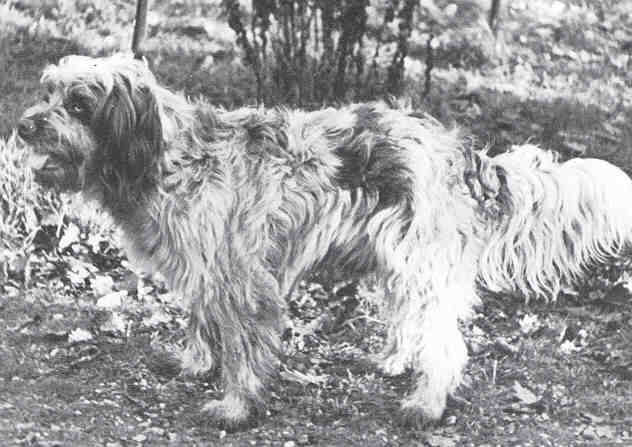
The dogs stood out for their tireless work and the supple and agile way in which they took the obstacles in the heath. And their long fur that serves as a protective layer against all the 'dangers' on the heath, such as their bangs that protect their eyes against protruding branches or the long locks over their fur that provide an extra layer of protection in the cold or while working among the blackberries bushes.
Character and temprament
The Dutch Schapendoes is known for its lively and intelligent character. These dogs are watchful, cheerful, and full of spirit, with a friendly and affectionate nature that makes them deeply devoted to their families. They form strong bonds with those they know, showing great loyalty and warmth.
Much like other herding breeds, the Schapendoes is always ready for action. They thrive on activity and enjoy both mental and physical challenges, whether that’s long walks, dog sports, or engaging tasks that keep them stimulated. Their eagerness to learn and quick thinking make them highly trainable, though they respond best to consistent, positive guidance rather than overly strict methods.
What truly sets the Schapendoes apart is its social personality. They are genuine family dogs, seeing everyone in the household as part of their pack. They love being involved in daily life and flourish in environments where they receive plenty of attention, interaction, and opportunities to participate. Their adaptable nature allows them to adjust to different living situations, as long as their need for exercise and engagement is met.
With proper early socialization and training, the Dutch Schapendoes grows into a well-balanced, confident, and devoted companion. In essence, this breed combines the energy and intelligence of a working dog with the affectionate, easygoing temperament of a family pet—making it a wonderful choice for active households seeking both adventure and companionship.
Health and well being
In general, the Dutch Schapendoes is a relatively healthy breed. However, over the years, certain hereditary conditions have become a concern within the breed. These include conditions such as kidney failure and heart disease, for which no reliable screening tests are currently available. Although these conditions cannot be ruled out through health testing, we evaluate the health and pedigrees of our dogs before deciding on a pairing, doing everything we can to minimise the risk of hereditary issues in future generations.
In addition to these conditions, there are several hereditary diseases and genetic abnormalities that can be tested for, such as HUU and myopathy. We deliberately choose to screen our dogs for these conditions as part of our commitment to responsible breeding.
The officially required health screenings for the breed are very limited. We believe that responsible breeding means going beyond the minimum requirements. None of the additional DNA tests or radiographic examinations we choose to perform are mandatory, yet we consciously invest in extensive health testing because we believe that the more we know about our dogs, the better decisions we can make for the future of the breed.
Just as we do with our Border Collies, we choose to go beyond the required health screenings for our Schapendoes. In addition to the mandatory ECVO eye examination and gPRA test, we carry out comprehensive DNA testing and full radiographic screening, including hips (HD), elbows (ED), shoulders (OCD) and back examinations.
These additional tests are not mandatory, but we deliberately choose to invest in them because we believe that the more we know about our dogs' health and genetic makeup, the better equipped we are to make carefully considered, well-informed decisions when selecting future breeding combinations. This allows us to assess potential matches more thoroughly and do everything we can to support the health and well-being of future generations.
By taking this extra step, we aim to minimise potential health risks wherever possible and give our puppies the healthiest possible start in life. For us, health testing is not simply about meeting requirements; it is about understanding our dogs as thoroughly as possible and making responsible choices that will benefit future generations.
Life expectancy: 12–15 years. An adult male may be between 43 - 50 cm high and weighs around 20 kg on average. An adult bitch may be between 40 - 47 cm high and weighs around 15 kg on average.
The most common colors
The Schapendoes comes in a lot of colors and color compositions. According to the board of directors, blue stocking or black/grey is the most common color within this breed, within this color alone you already have many different shades.
A nice fact about the Dutch Schapendoes is that this breed is also called magic ball by the connoisseurs and owners of this breed. The Schapendoes colors throughout its life. Black and white will remain black and white and blue/coloured will remain blue/coloured, but the shades will color throughout the year.
The most common colors within the Schapendoes are the following:
- Black/gray (Blauwkous in dutch)
the gray can vary from light to dark gray, these are so-called "blue stockings". - Black
usually also a little bit of white/grey on the chest or legs. - Gray/white
white with here and there gray areas. - Brown
in these dogs there is a loss of pigment, this is especially visible in the eyes and nose. - White/black
white with here and there black areas. - Black and tan
black with brown, usually on the head or legs. - Tricolore
tricolor, e.g. white/black with a little brown on the legs.